This morning, my housekeeper told me, in an almost reminiscent way about how the food in her village in Bengal is so fresh. Having had the opportunity to travel to some of these villages, I quite related to what she had to say. She spoke about how jute leaves, fresh raw jackfruits, fresh fishes from the pond and other such culinary delicacies are easily available in their villages, completely fresh and for a much lesser cost. It was an internal monologue I had been having for some time now, and one that my housekeeper brought to life.
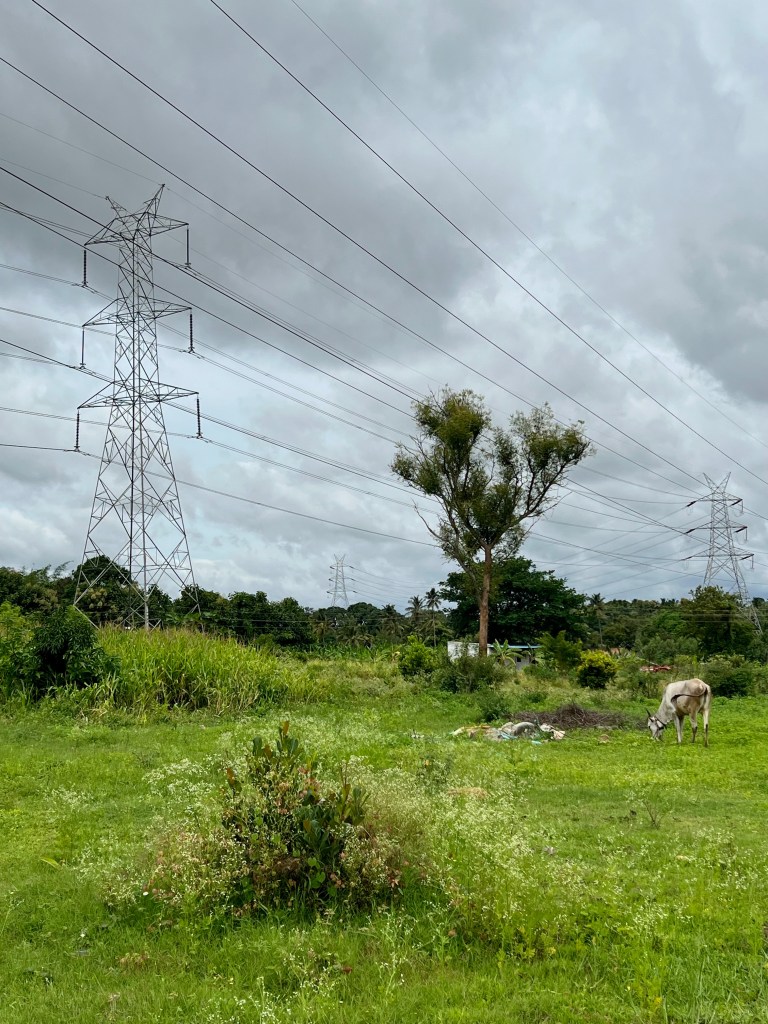
It was two years ago that a similar thought took concrete shape in my mind. I was on a rural outreach with my students, and we visited the interior villages of the Nelamangala town. The idea was to expose the students to another way of life and truly show them how different societies functioned. As we know, rural landscapes in our country aren’t always projected in the nicest way. The social issues of caste and gender discrimination and a variety of other issues only add to this poor image of rural India. While in no way do I mean to say that they aren’t true, they most definitely are, but I also wish to point out a few things I had learned from the visit. On conversing with the people who lived there, they mentioned something that my housekeeper also mentioned – they loved the sense of community and warmth, they enjoyed the fresh air, food and water and the overall quality of life. Both my housekeeper and the few of the inhabitants of the village I visited close to Nelamangala mentioned how the city is only good for job opportunities and nothing else. The same thought coming from two completely different parts of the country. My housekeeper also mentioned in Bangla that, “We don’t live in mud huts or tin houses anymore. We live in properly constructed houses equipped with all the necessities of life.”
Most people move from smaller towns or villages to urban hubs for a better life. This brings forth the question – what truly encompasses a better life? Is it only affordability through higher paying jobs? I’m sure that is a huge part of it, but isn’t it also, fresh air, time for oneself, fresh food and the basic upkeep of one’s overall well-being?
Having grown up in an urban set-up all my life, I have gotten used to this compromised sense of being. In fact, I don’t think I can do without the usual hustle bustle. The urban cosmopolitan set-up has also given me the privilege of being exposed to a variety of global cultures. Therefore, I cannot say that I don’t appreciate these facets of my urban existence. Nonetheless, after this morning’s discussion and looking back on my experience at the village near Nelamangala, I could not help but wonder if I have only been conditioned into thinking that I am in fact leading a good life.
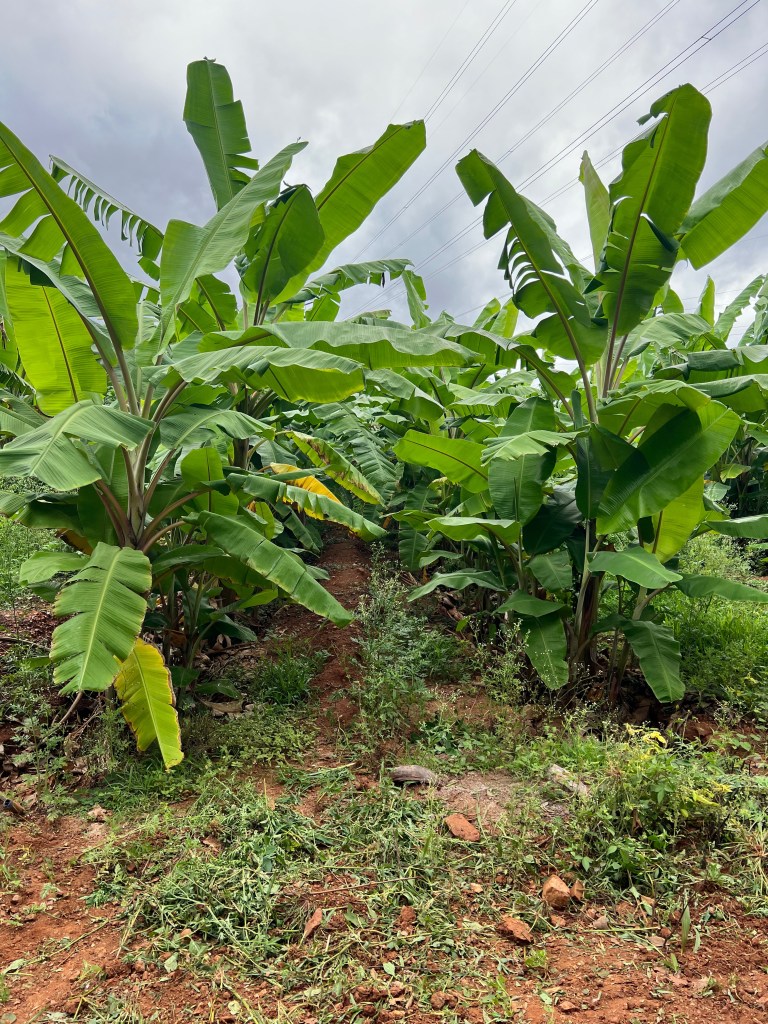
In no way am I trying to propagate an argument that a rural life is better than an urban one, or vice versa. Instead, I am only dabbling on a thought about what truly makes the quality of life better. As individuals with well-paying jobs, we can afford the things that make our lives comfortable, but we also need to be able to afford the medical bills which arise out of sedentary lifestyles as a result of the work that we do, the negotiated food and water that we eat and drink and the poor quality of air that we breathe. Arising from these physical discomforts and the lack of time to truly enjoy ourselves by catching up with friends or engaging in a little hobby of our own, we also suffer mental illnesses which also entails expenses or in some cases indulgences as a coping mechanism.
These days, most of my friends and I suffer from health issues which are all a result of our lifestyle. Now, it is rather easy to say that one must “make time for oneself”, “eat healthy” or “squeeze in a little bit of physical activity”, when in reality, it takes a lot more will power to execute than it seems on the surface.
I keep coming back to this thought about how food tells a larger story about how we live as a society. The entire concept of ready-to-eat meals, bowl meals and other foods which scream convenience, only do so to be convenient to a lifestyle that doesn’t allow one to indulge their senses. This largely reflects our compromised state of existence. Who knew that something as basic as our five senses would one day become a luxury because of our quest for a so-called better life.
 Nikita Chung