It’s an interesting observation I made when I gave my students an assignment. The assignment was to discuss the socio-political landscape of the city they are from or residing in, which in this case was Bengaluru. As the discussions progressed, there was one common aspect that most of them touched on, even if it was briefly. Food!
Some students who aren’t from the city, expressed how the sweet Sambar we get at most eateries isn’t Sambar – most of these students coming from Tamil Nadu or Kerala. The ones who were local Bangaloreans stated that they absolutely loved the Sambar available here.
Apart from Sambar, a common thing they mentioned was the pub culture of the city and how we have access to multiple cuisines here. Which further led one student to point out in his presentation that food-wise, Bengaluru is the “Jack of all trades but master of none”. While there was plenty backlash to this statement, in some respects, I was unable to completely disagree with him. Though I must say, if any city has several varieties of Biryanis from across the country available, it would definitely be Bengaluru. Though I would not be able to confidently put forth a conclusive statement on the authenticity of these varieties of Biryanis available. Which is the reason why I could not disagree with the student. The famous saying goes, “One man’s food, is another man’s poison”. This rings quite true to me because there are some parts of certain cuisines which, to put it pleasantly, I would not eat with joy.
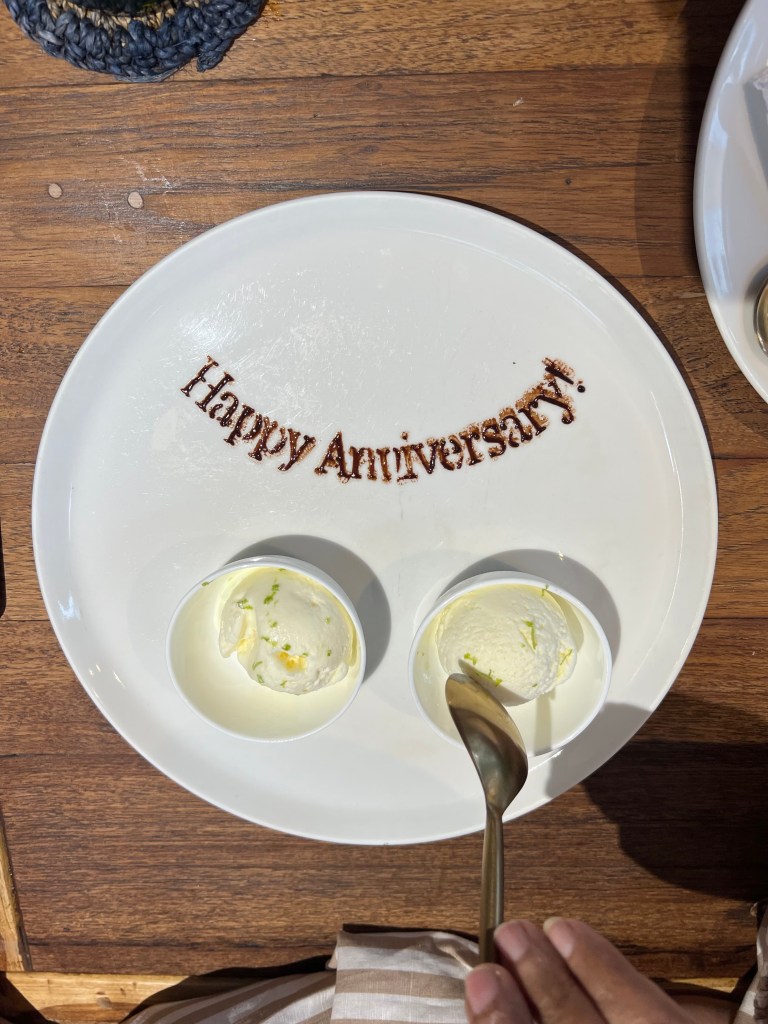
To come back from the tangent I went on, it’s interesting how in one way or another, be it in students’ assignments, conversations with friends or even important occasions in one’s life, we almost always recall any food or beverage that was either a terrible or wonderful experience in consuming. I’d like to propose that it is possibly because of how food is so undoubtedly important when it comes to our identity and sense of being. We even bond with each other with experiences around food we share together. I recently had a gathering at home where my ex-colleague and my friend, who studied in the same college I taught at, bonded over what was available in the college canteen and what wasn’t.
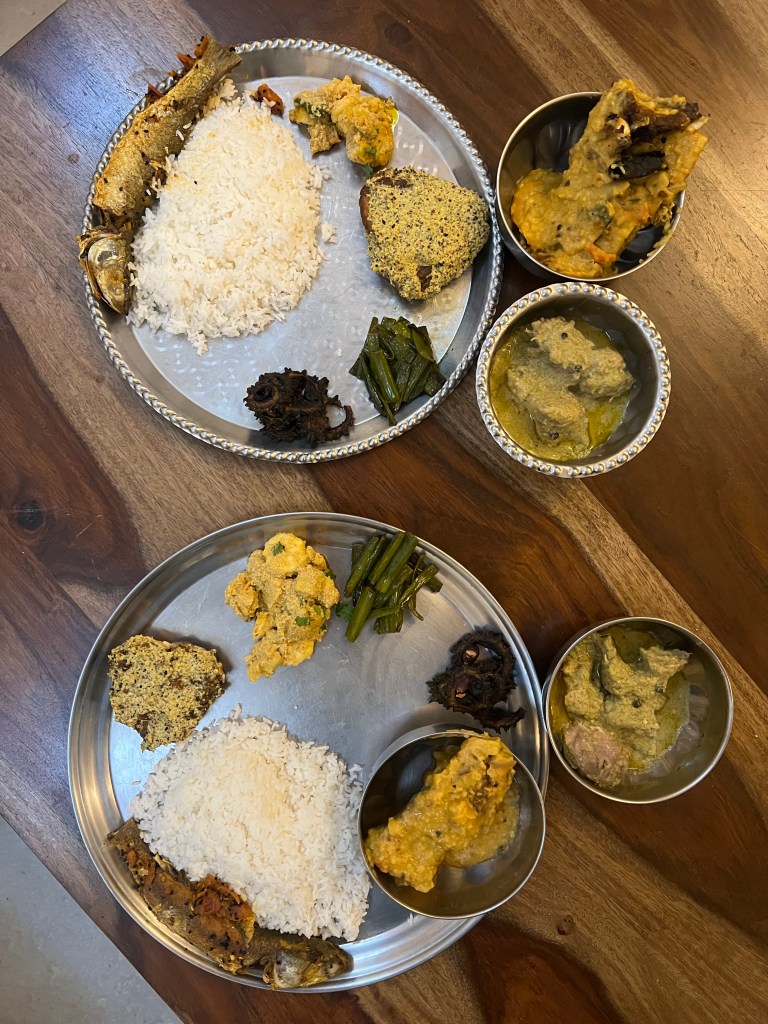
Food forms a part of who we are from the time we are born. For those who romanticise the gastronomic experience like I do, of course acknowledge the role that food plays in our lives. However, even those who belong to the school of thought where they eat for survival, cannot deny how the engaging conversations over a cup of tea or coffee, one’s mother’s cooking or even the instant noodles they survived on in their university days, largely forms a part of their core memories and how it eventually forms their perceptions about the world around them.

I began thinking I might have a problem where I tend to bring up food or beverages in any conversation I have with people around me. After making these observations, I now realise that one can’t ignore what forms such an integral part of not only surviving but also living and even forming a large part of one’s worldview. When we say food is sustenance, one could even philosophise that beyond nourishment, it is sustenance of the soul. Sustenance of what makes our experiences unique around these food stories. Sustenance of the human experience.
 Nikita Chung