I was looking through some pictures I had taken last year when I visited Kolkata. While I do visit Kolkata every year, it was the first time that I visited Eau Chew. Now if you love eating Chinese food, you’re going to want to read on. Eau Chew is the oldest surviving Chinese restaurant, owned and operated by a Chinese family in India, today. Many say it was established in the 1920s by Mr. Achumpa Huang, who came to Calcutta in the 20th century from a small village in the southern-Chinese province of Hunan, called Moyan. A village which my paternal great grandparents also trace their roots from. Eau Chew’s predecessor Nanking, in Kolkata, which has now shut down, was the first Chinese restaurant in the country.
We’d visited Eau Chew on a weekday afternoon. Just off Mangoe Lane, a busy office area in Kolkata and on Ganesh Chandra Avenue, one would expect that it would be oozing with office crowd. However, the case was just the opposite. It was quiet and peaceful, quite in contrast from the busy streets we left behind as we climbed the stairs to enter the restaurant. I wondered why a restaurant, being a landmark and with no less of a history than other heritage restaurants in the city, would not be crowded on a busy working day.
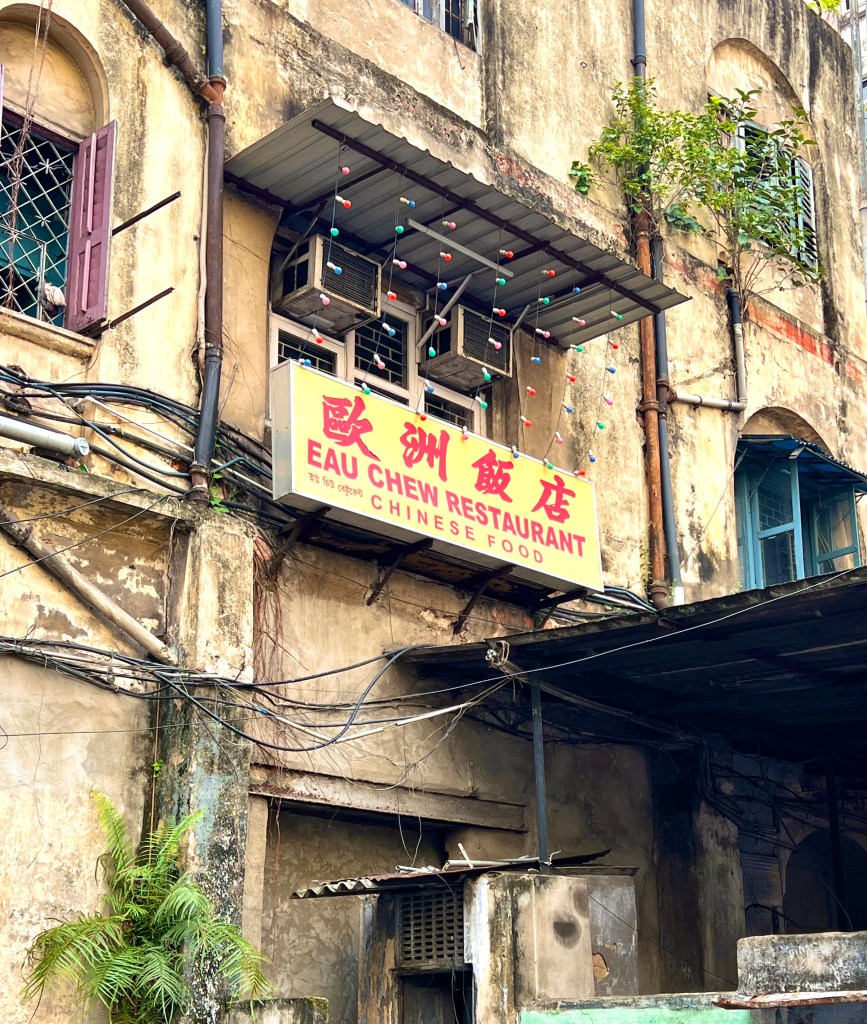
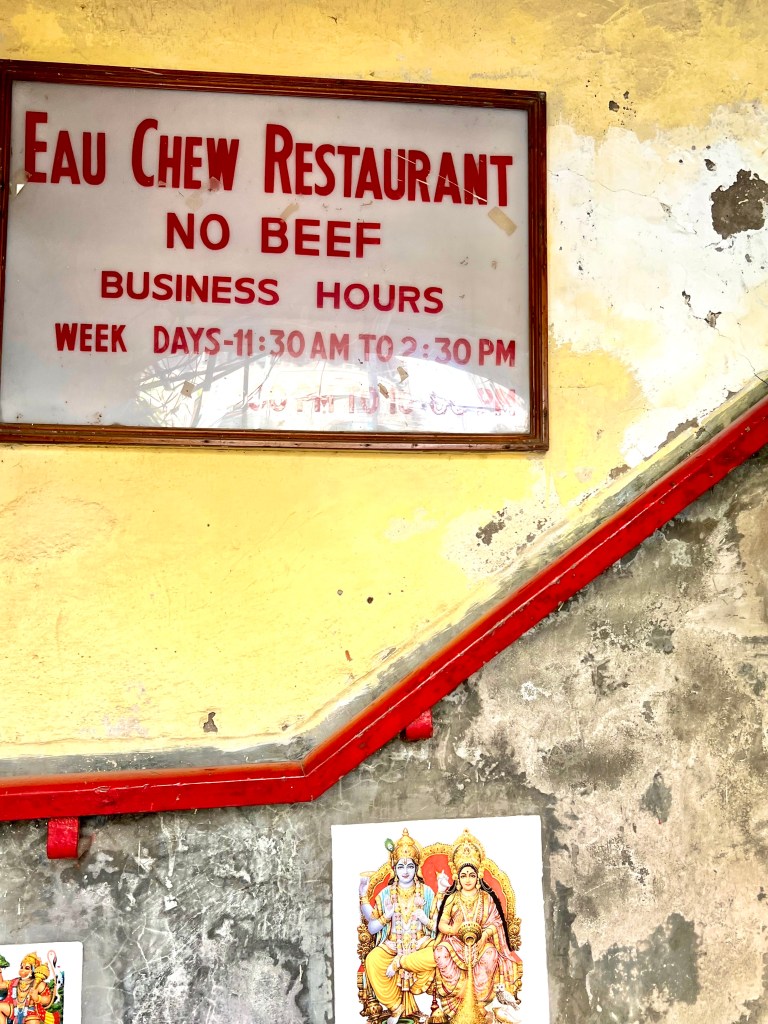
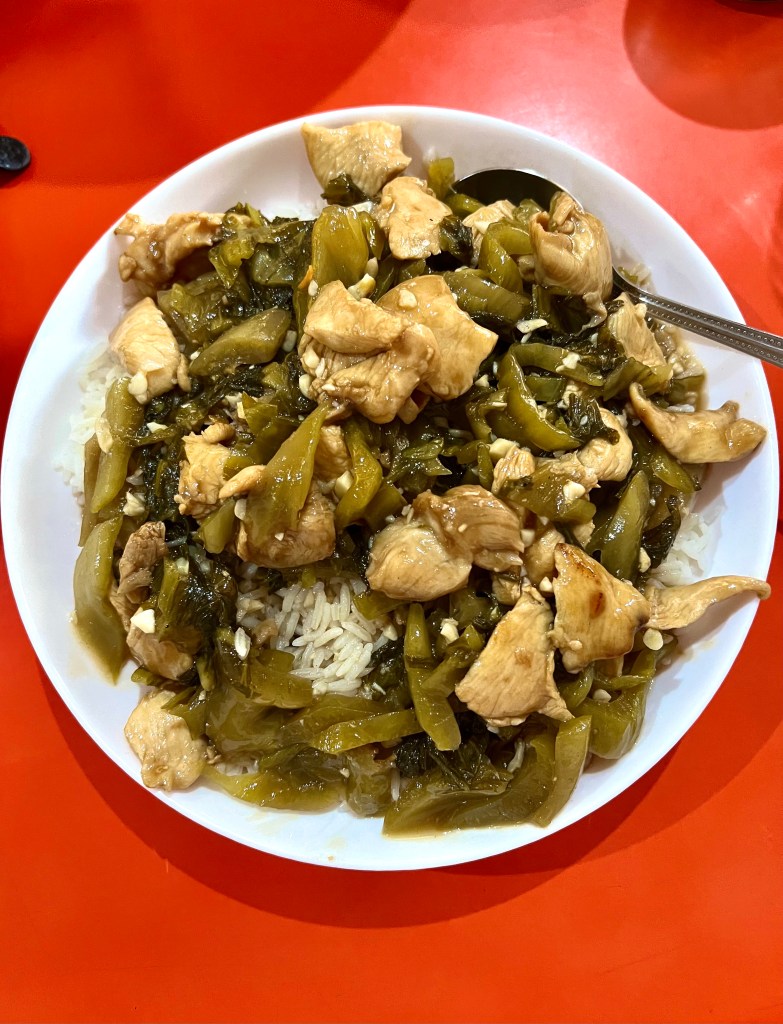
We sat down, were greeted pleasantly by the waiter, and sipped on some chilled water while we browsed through the menu to choose what to eat. I was refreshed to see the choices in the menu. It was unlike the other Chinese restaurants I usually visit. They had dishes like Haam Chhoi and other traditional Chinese dishes which being Indian-Chinese myself, could truly appreciate. It deserved being given the repute of a heritage restaurant. The food tasted amazing too!
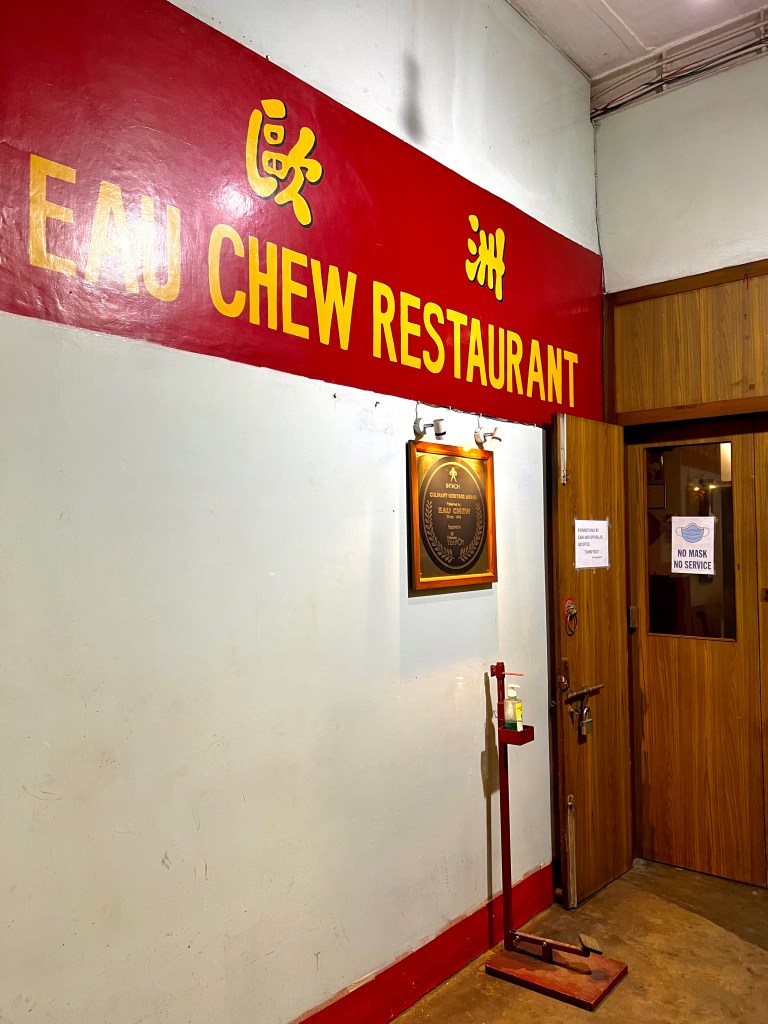
However, I began to wonder, why are restaurants like Eau Chew not so popular today and why does only a niche group frequent it? The food is good, it has history, and people usually enjoy eating Chinese food. Then why was it not that popular today? I then began looking closely at the other Chinese restaurants. What was the reason they were popular?
One of the reasons I could come up with, was that the dishes they had to offer were more suited to the dishes that the average populace is well-acquainted with. Now when it comes to frequenting an eatery or a restaurant regularly, the person visiting must be comfortable visiting it. Which means that there must be a familiarity with the cuisine being eaten. Now the dishes that Eau Chew served aren’t all your typical Chilli Chicken and Fried Rice. They also put in a lot of focus on stir fries and other Southern Chinese food which I have grown up eating.

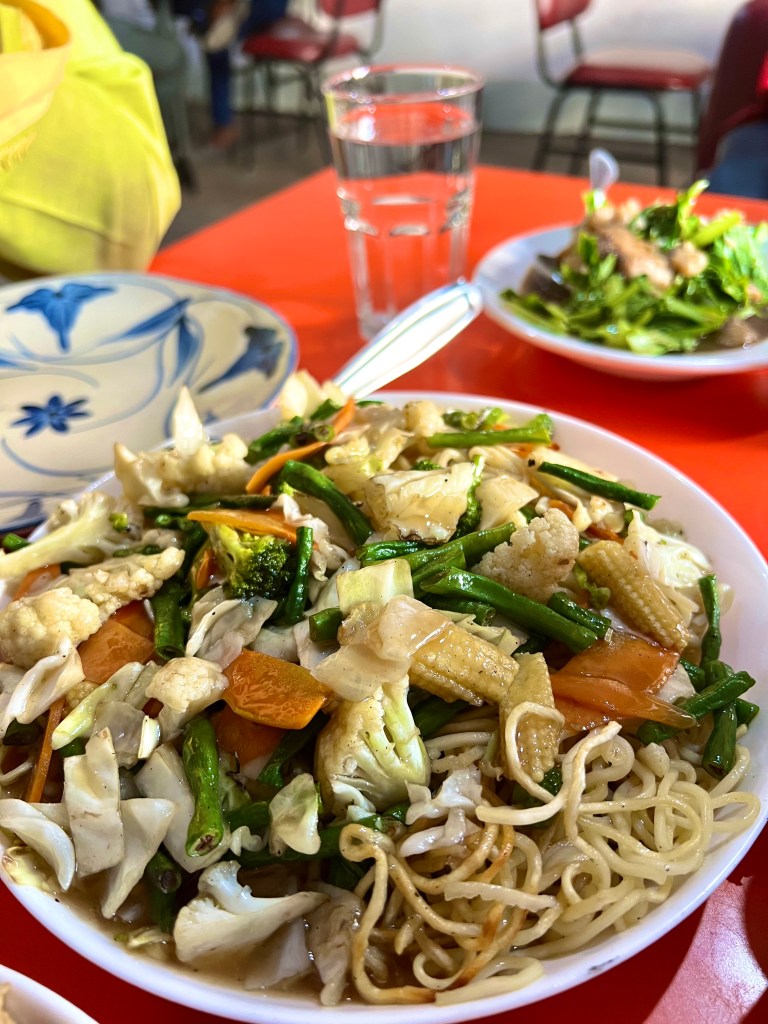
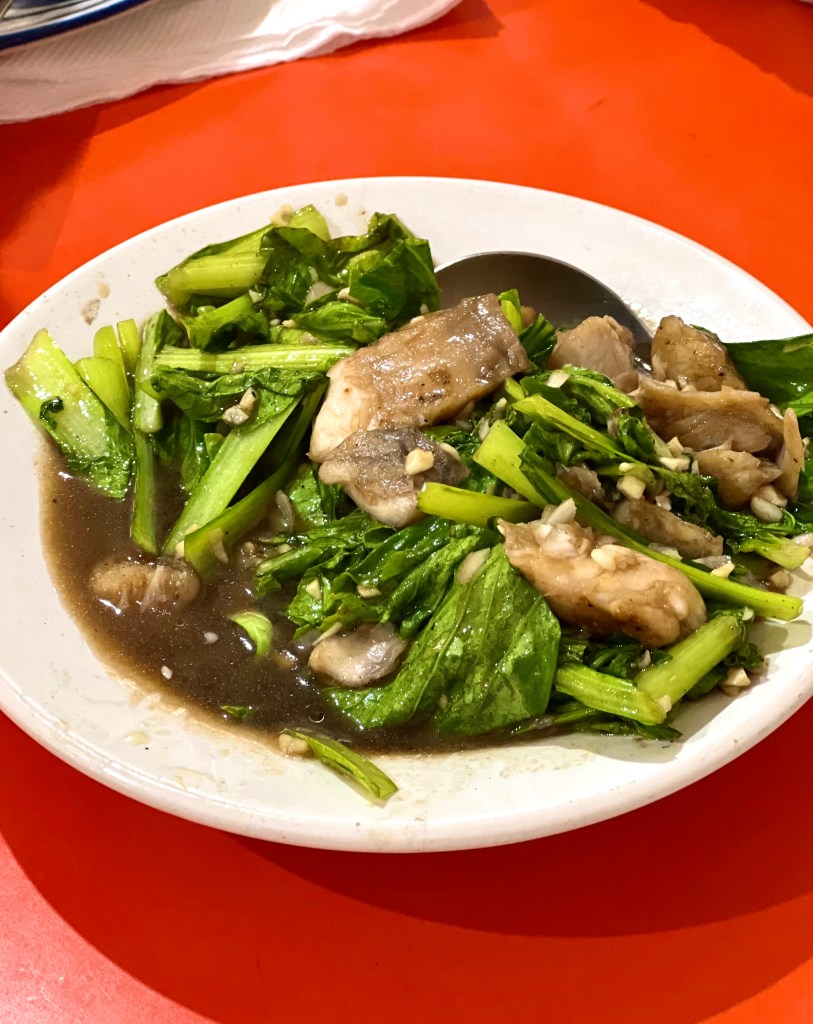
What is a commercial restaurant and what is a restaurant that has its roots in the art of cooking and epicurean delights? These are questions which came rushing to me. The answer to which is a little blurred now. A story for another day maybe?
Today, we have many restaurant chains trying to sell us “authentic” cuisines from the world over. While that’s great in its own way, we’re losing the appeal that family-run restaurants, serving recipes handed down for generations, locally sourcing their materials, have to offer. Family-run restaurants have soul, nostalgia, good quality food from locally sourced ingredients and most importantly, a story to tell. Eau Chew definitely has a story to tell. A story about a community with humble beginnings trying to make the best of what a then foreign country had to offer to them.
We must celebrate such places and not tuck them away into a quiet corner of a busy street. Family-run businesses have a special place in my heart, which is again a story for another day. For now, let’s appreciate the beauty in what we have and let’s not let that fade away.
 Nikita Chung